
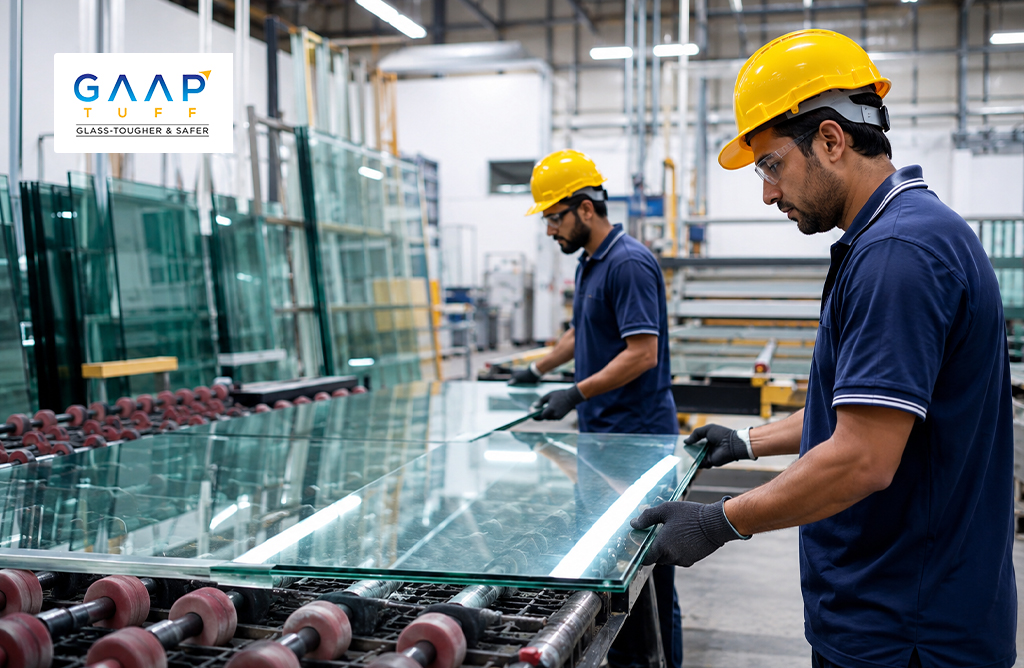
Present-day buildings are now required to do much more besides being aesthetically pleasing. The trend in architecture today is towards materials that guarantee safety, durability and performance. GAAP TUFF supports this approach with high-performance glass solutions, while glass has become an essential part of such an approach, being used in façade, windows, skylight, partition, and other architectural applications.
Selection of proper Laminated Glass processors is an important stage in case your project requires reliable glass products. Glass processing quality will affect its performance in different environments.
Safety Glass – Its Significance in Modern-Day Building
Glass provides natural lighting, openness, and modernity; however, glass should also provide functionality to the building. Where there are security considerations, and where there are structural considerations, then Laminated Glass may provide an additional layer of security.
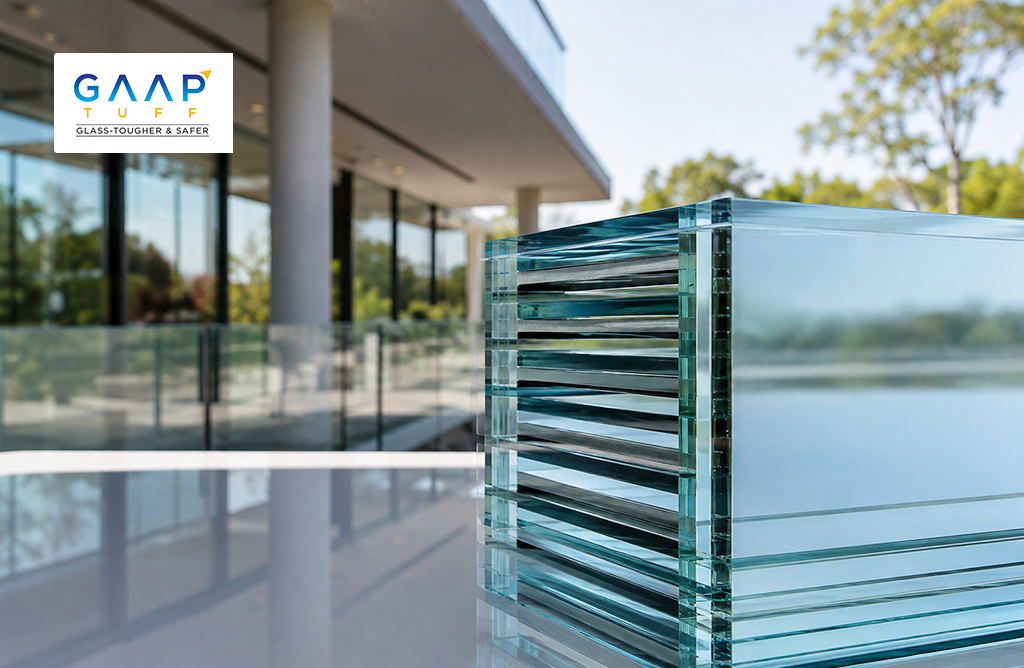
As compared to conventional glass, Laminated Glass is made from layers, which are joined by an interlayer. The layers of Laminated Glass help hold the glass in place once the glass breaks.
When it comes to commercial applications and residential buildings, choosing the appropriate glass for use depends on the application itself. Location, exposure, size, and even security needs have to be taken into consideration.
Finding the Right Glass Solution for Every Building Need
Some building components have different performance requirements than others. Laminated Glass for Buildings could therefore come into consideration for projects where additional safety and security requirements apply.
The correct specification would not only take into account the aesthetic aspect but the performance aspects of any building component that incorporates laminated glass. In cases where there is a need for an aesthetic design that needs to incorporate high safety standards, the use of Laminated Glass for Buildings could therefore become highly relevant.
An experienced processing partner may assist in the identification of the glass specifications best suited for a certain design.
When Higher Strength Is Required?
However, certain architectural applications may need more strength along with the advantages offered by laminated glazing. In such a scenario, Laminated Toughened Glass can offer an appropriate solution.
Laminated Toughened Glass consists of toughened glass that is laminated to form a glazing material that has applications in architectural fields. Depending upon the need, it may be used in places where there is a demand for better glass performance along with safety after breakage.
The specification shall always depend upon various considerations like building design and application requirements.
Why Professional Processing Makes a Difference?
Not only does the performance of architectural glass depend on the kind of glass used, but also its processing. Experienced Laminated Glass processors could aid projects through providing solutions tailored to architectural and performance needs.
GAAP TUFF is geared towards providing processed glass solutions for modern construction and architectural applications. Taking into account the need for quality and specific project needs, the company provides support for the increasing need for reliable glass solutions in various building sectors.
In choosing a processing company, the following things should be taken into consideration: production capability, quality control, customizing needs, and experience in architectural projects.
Supporting Better Building Decisions Across India
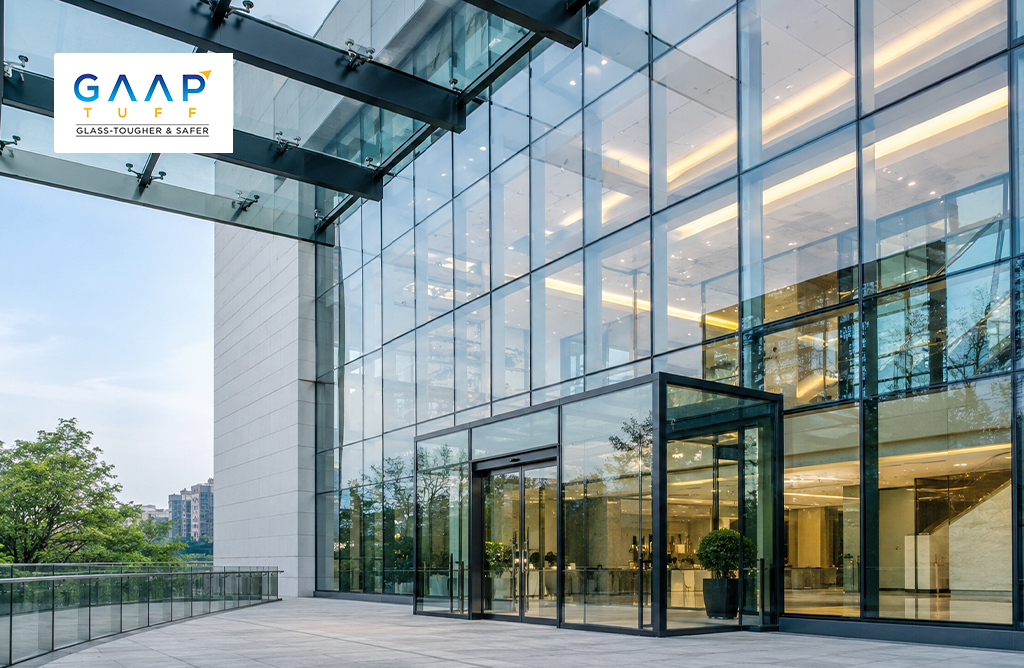
The Indian construction sector is increasingly embracing advanced materials which not only enhance modern architectural designs but also ensure safety and increased durability. Be it a commercial structure, residential project or an architectural specialty structure, it definitely pays to have a good glass option.
GAAP TUFF aims to provide processed glass solutions which will cater to the changing requirements of architects, contractors, and project developers. Consulting with experts in the field will go a long way in ensuring that the glass chosen fulfills the requirements of the building in question.
Where there is need for safety, strength and architectural elegance to be combined, consulting with Laminated Glass processors could lead to better solutions in the process.
FAQs
Laminated glass is commonly used in applications where additional safety, security, and protection are required. It can be used in windows, façades, skylights, partitions, and other architectural applications
Laminated glass consists of multiple glass layers bonded with an interlayer. If the glass breaks, the interlayer helps hold the broken pieces together, reducing the risk of loose glass fragments.
Laminated glass consists of glass layers bonded together using an interlayer. Laminated toughened glass combines the strength of toughened glass with the safety benefits of lamination, making it suitable for applications with higher performance requirements.
The right glass depends on factors such as the building application, location, exposure, size, design requirements, safety needs, and performance expectations. Consulting an experienced glass processing company can help identify a suitable solution.
Professional laminated glass processors can provide properly processed and customised glass solutions based on specific architectural and project requirements. Their production capabilities, quality control processes, and industry experience can contribute to the overall performance and reliability of the glass.